
Frameless Mirrors
LED & non-lit · exposed glass edges · backing and mounting.
You are hereMY MIRROR PLUS / FRAMELESS CONSTRUCTION
Illuminated and non-lit mirrors with an exposed glass edge. Compare polished and bevelled finishes, backing and mounting for bathroom ranges, dressing areas and decorative interiors.
Explore Frameless DesignsLED & NON-LIT / NO VISIBLE FRAME / CUSTOM SIZES
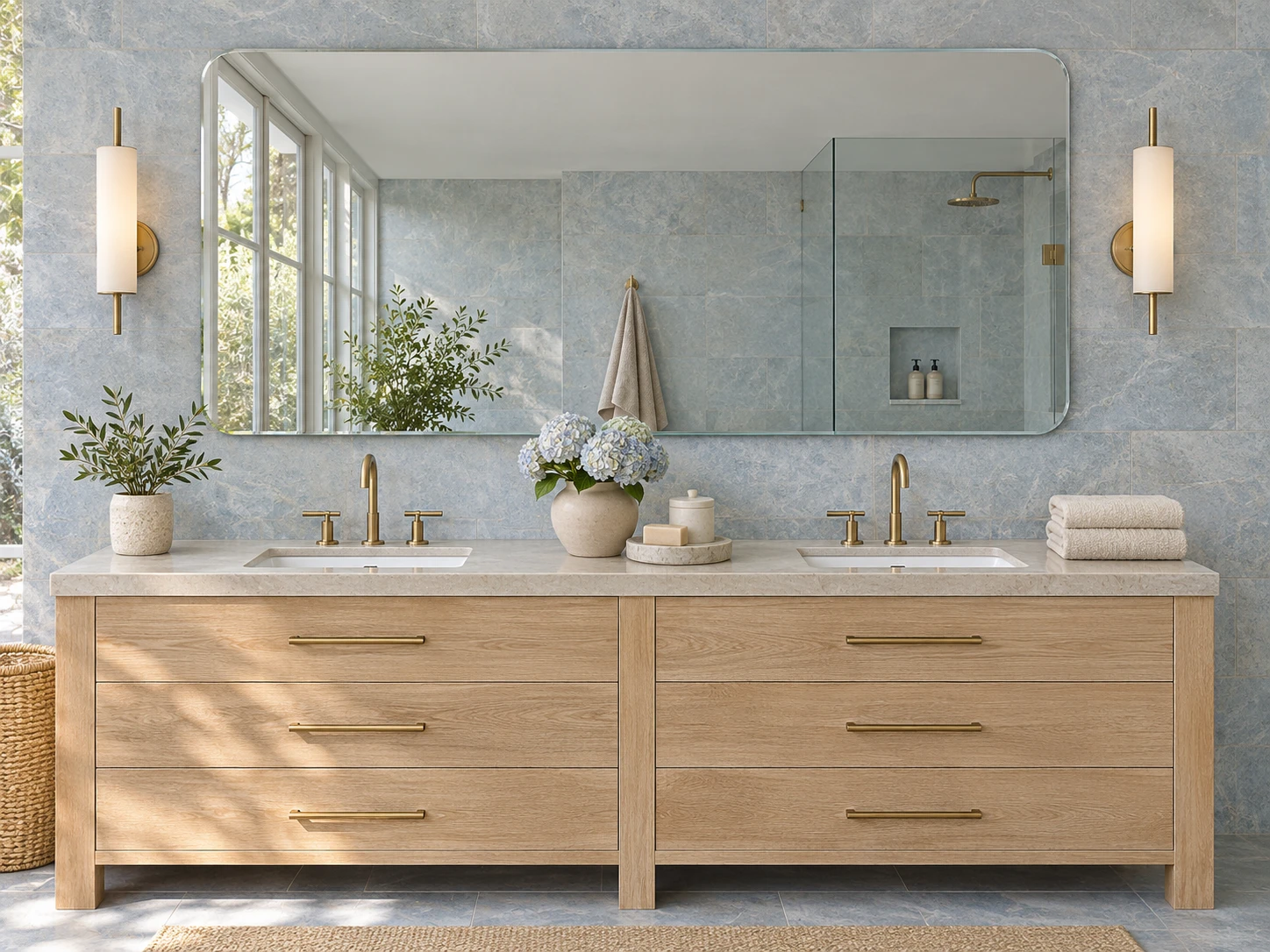
CHOOSE THE RIGHT COLLECTION
Start here to compare glass edges and mounting across LED and non-lit products. Use the dedicated LED collection for a more detailed review of illumination and electrical functions.
LED & non-lit · exposed glass edges · backing and mounting.
You are hereLighting configurations · drivers and controls · electrical options.
Explore LED MirrorsLED & NON-LIT / FIVE DESIGN DIRECTIONS
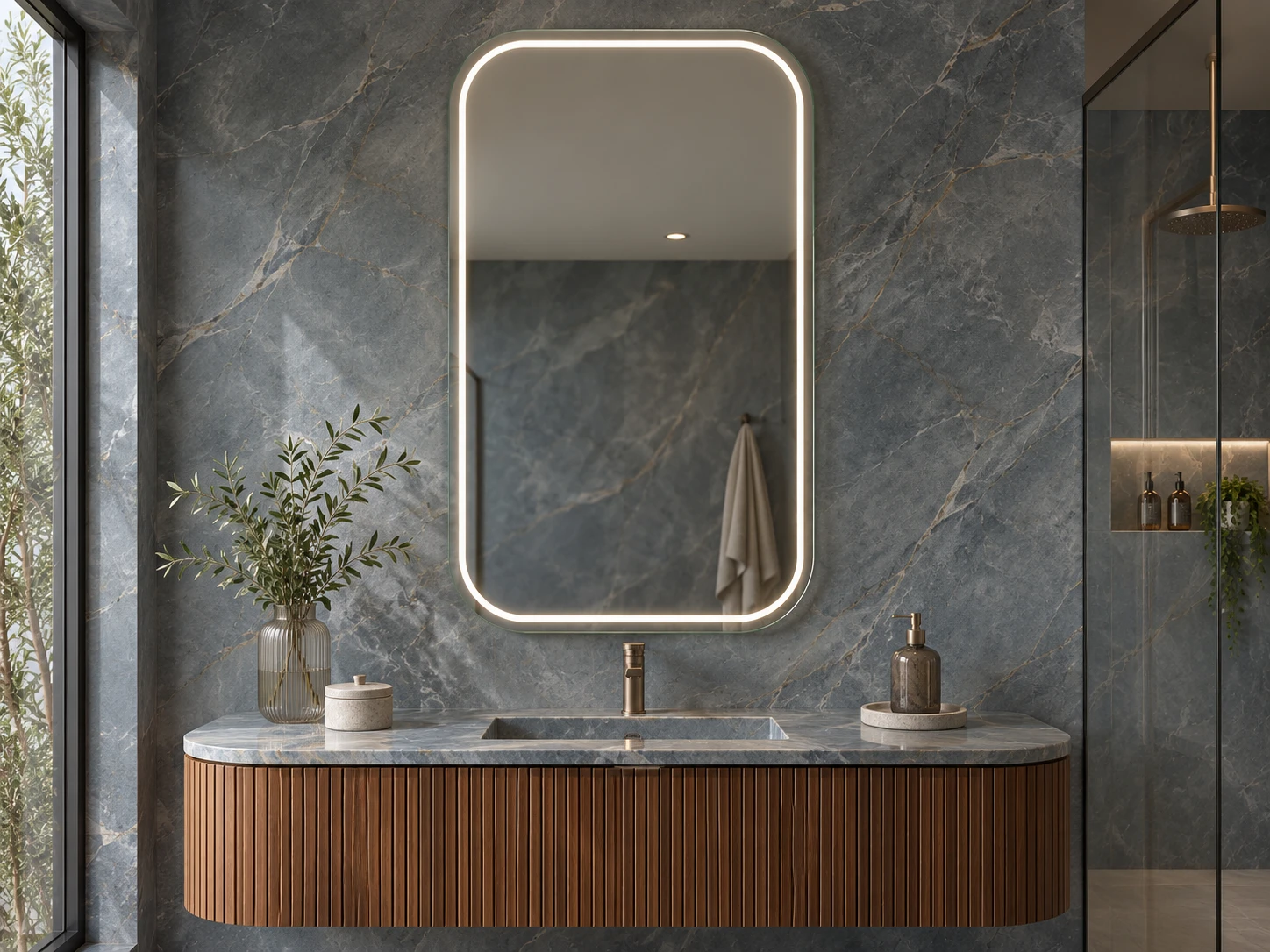
Rounded rectangle / Front-Lighted
A light band sits inside the glass perimeter while the outer edge remains frameless. Review the relationship between the clear glass edge, diffusion and reflection area.
Specify band width, inset, edge treatment and control position.
Specify This Mirror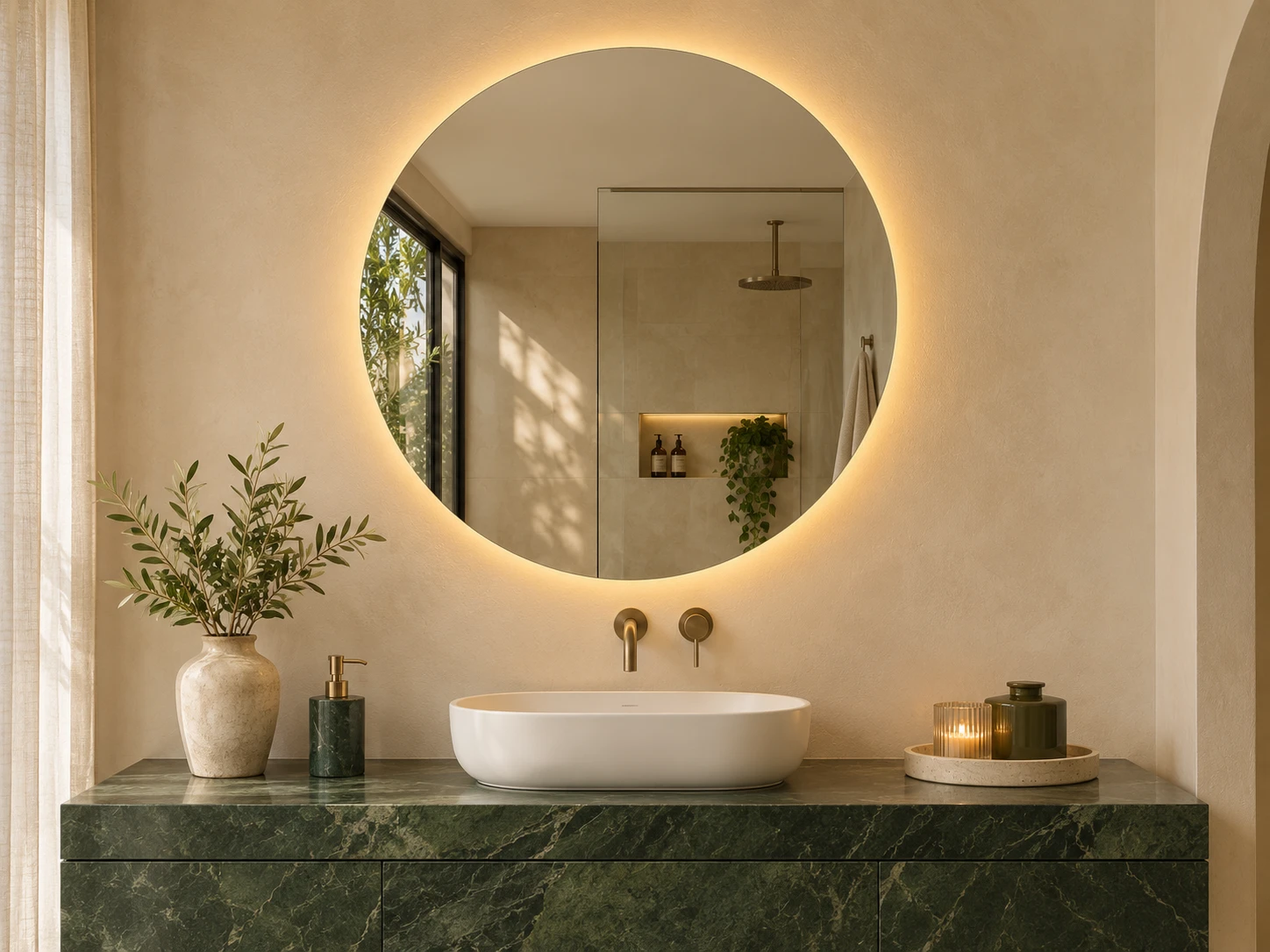
Round / Backlit
Rear light separates the glass from the wall without a visible metal surround. The reflective face stays clear of a front light band.
Define rear clearance, mounting depth and how the support is concealed.
Specify This Mirror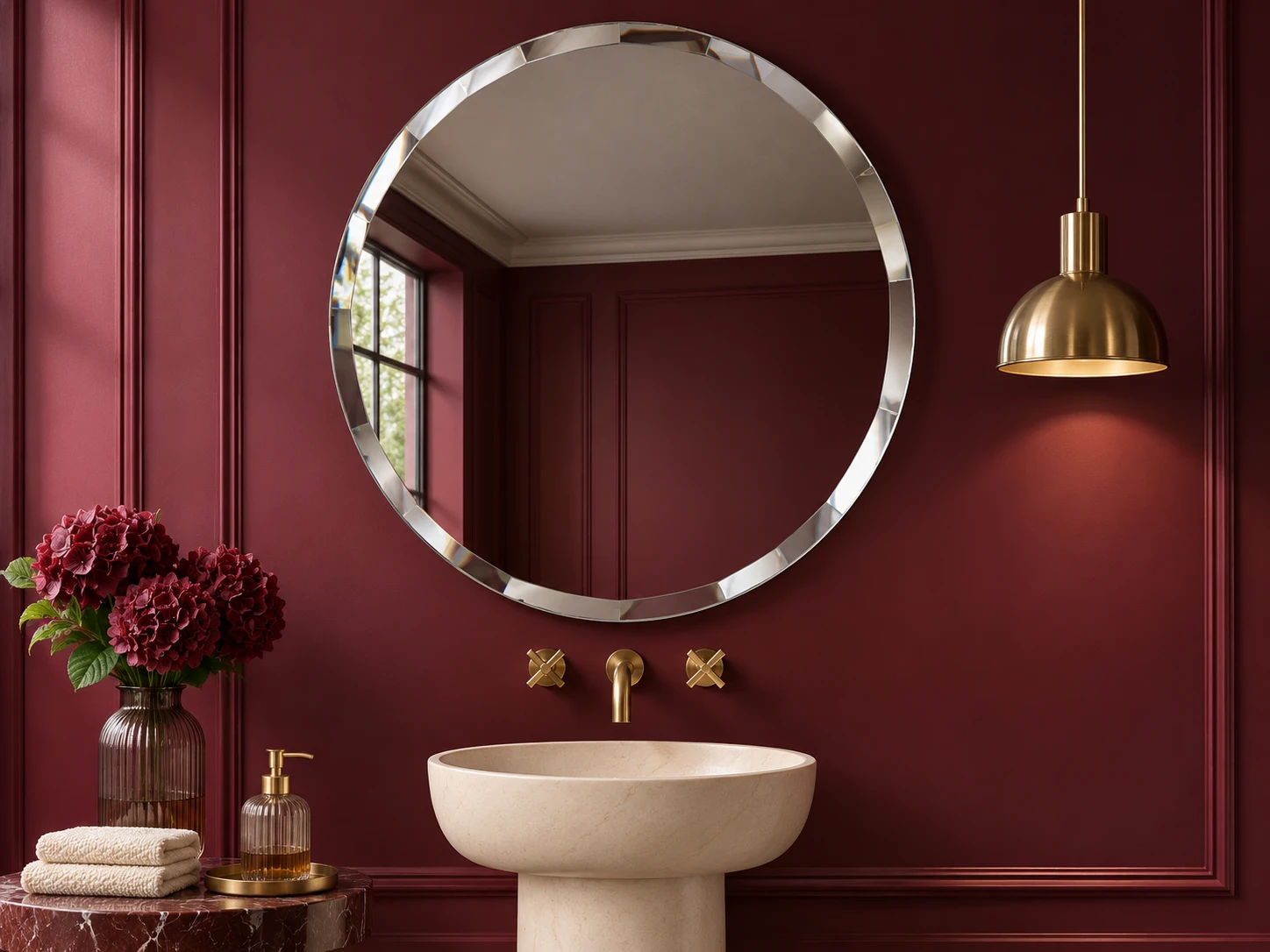
Round / Bevelled glass
A bevel catches the room light around the edge without adding a metal frame. A decorative direction for powder rooms and interior collections.
Define overall diameter and bevel width, and review the transition on a sample.
Specify This Mirror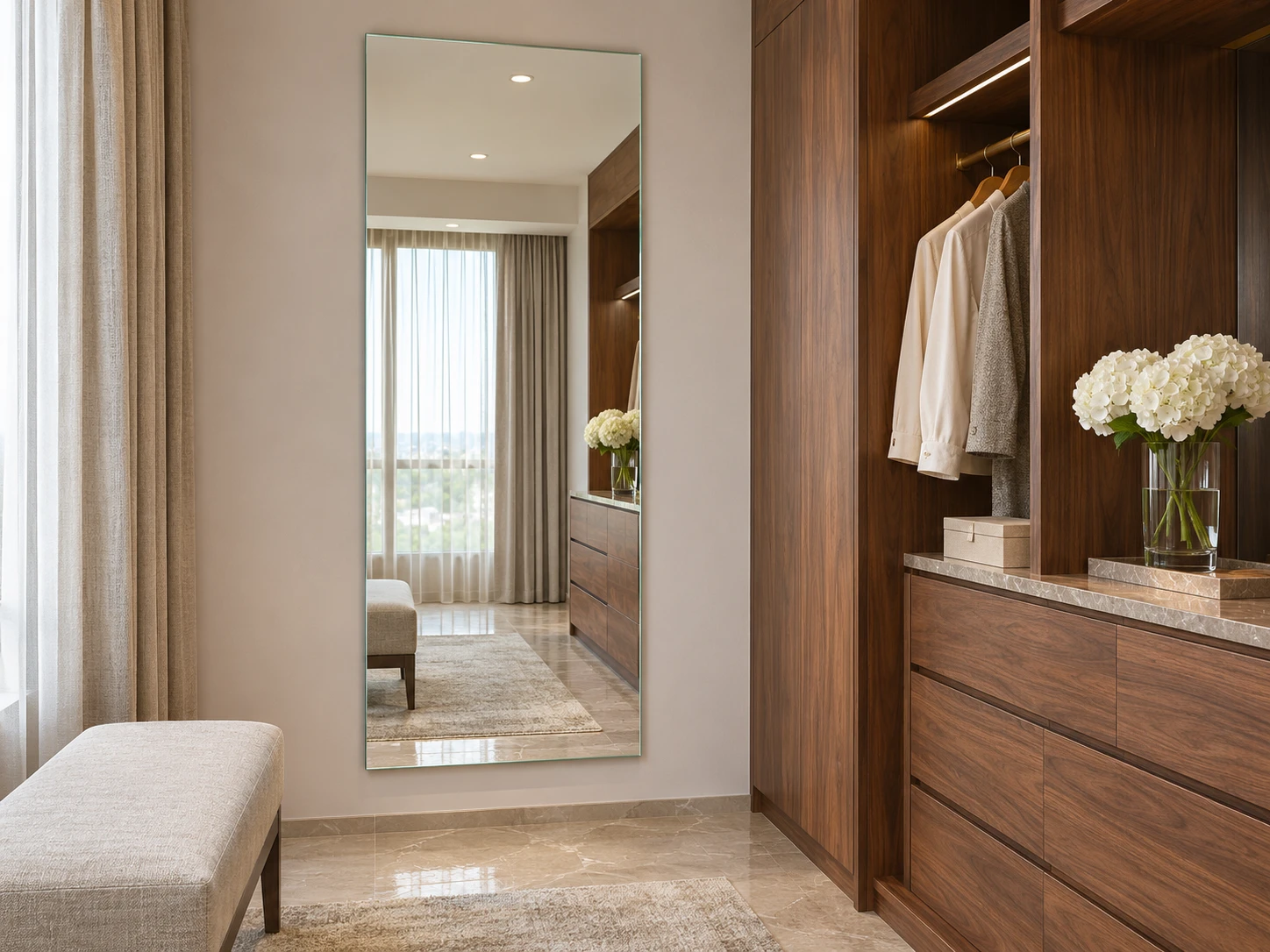
Tall rectangle / Polished edge
An uninterrupted glass face for hotel dressing areas and wardrobes. Plan the reflection zone, mounting and nearby furniture as one elevation.
Confirm outer dimensions, corner treatment, installation orientation and wall support.
Specify This Mirror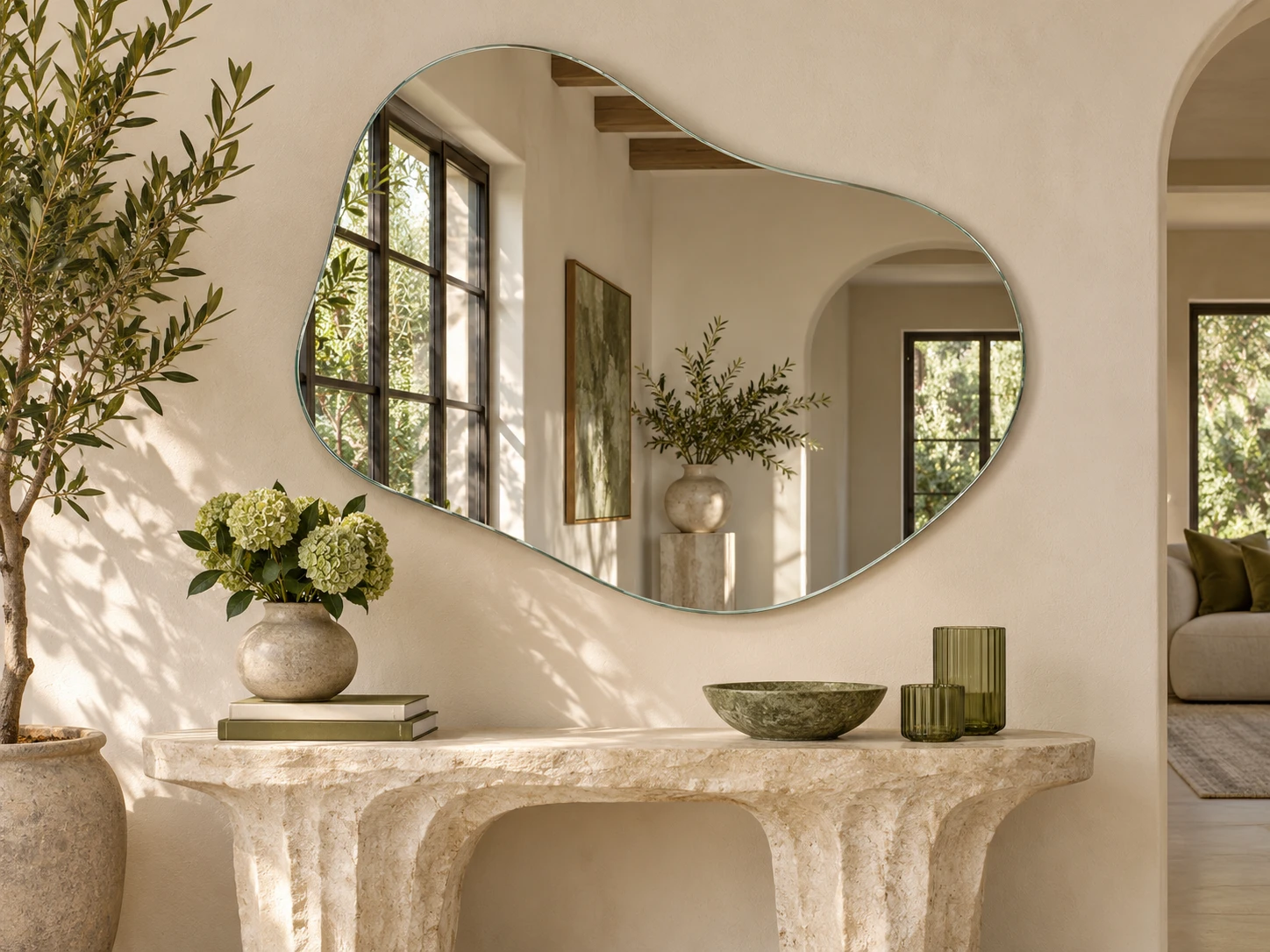
Freeform / Polished edge
An exposed glass contour brings a softer outline to consoles and decorative walls. The mirror uses the room’s lighting rather than integrated LEDs.
Approve the outline, minimum curve radii and edge finish before production.
Specify This MirrorImages are concept renders. Front-Light Glass and Floating Halo are illuminated; the bevelled, dressing and organic designs shown here are non-lit. Confirm the glass, edge, lighting and mounting in the final specification.
GLASS EDGE OPTIONS
A clean exposed perimeter keeps attention on the reflection. Agree edge profile, corner treatment and the contour in the drawing.
An angled glass border catches surrounding light. The bevel changes the visible reflection area and the character of the perimeter.
GLASS & BACKING SPECIFICATION
Confirm thickness, mirror type and intended use. Review optical appearance and any project-specific documentation against the actual product.
Specify backing and any safety film. For LED versions, also review supports, driver position, light path and service access; frameless does not mean there is no structure behind the glass.
Provide positions, sizes and edge distances on a dimensioned drawing. Review manufacturing feasibility before approving the order.
INSTALLATION PLANNING
Review brackets or other fixing options for the size and wall construction. Confirm orientation, support and visible clearances.
Coordinate the opening, backing and retention method with the furniture supplier. Agree tolerances and responsibilities before manufacture.
If this approach is specified, review substrate, mirror backing and adhesive compatibility with the responsible installer. Do not assume any adhesive is suitable.
Final fixing methods and installation requirements must suit the actual mirror, substrate and site conditions.
B2B APPLICATIONS
Frameless LED mirrors with front light or rear halo, alongside plain vanity mirrors for separately designed room lighting.
Dressing and wardrobe mirrors developed around room elevations, furniture and installation conditions.
Round, geometric or organic silhouettes with a controlled edge finish and a clear model schedule.
ORDER APPROVAL & PACKING
Confirm shape, outer dimensions, thickness, edge treatment, backing, holes and mounting details. Keep the approved sample and drawing revision linked to the model code.
Review edge and corner support, protection of the reflective face and separation of hardware. Agree model labels, instructions, packing and any required transport-test plan.
FRAMELESS CONSTRUCTION FAQ
This collection compares frameless construction across illuminated and non-lit mirrors, focusing on exposed glass, edge treatment, backing and mounting. Frameless LED Mirrors focuses on lighting configurations, controls and electrical options. Both include illuminated products, but the specification focus is different.
No. A bevel is an angled treatment of the glass edge. It creates a reflective border within the glass itself, without a separate metal surround. Agree the bevel width and appearance on a physical sample.
Suitability depends on the specified mirror glass, backing, edge treatment, installation and environment. Share the intended use and any required test documentation so the actual specification can be reviewed.
Share the measured opening, orientation, fixing approach and required clearances. Confirm measurement responsibility and site conditions before approving the final drawing. Do not order solely from a reference photograph.
These can be reviewed against a dimensioned drawing. Their size, position and distance from edges require manufacturing and installation review. Final approval must include all features before production.
Provide shape, outer dimensions, glass and backing requirements if defined, edge finish, quantities, intended use, destination market and packing needs. Price, MOQ and timing are confirmed against the actual specification.
FRAMELESS MIRROR ENQUIRY
Share dimensions, quantities, edge finish, lighting and mounting requirements. Include a drawing for custom contours, holes or fitted openings.
sales@mymirrorplus.com